

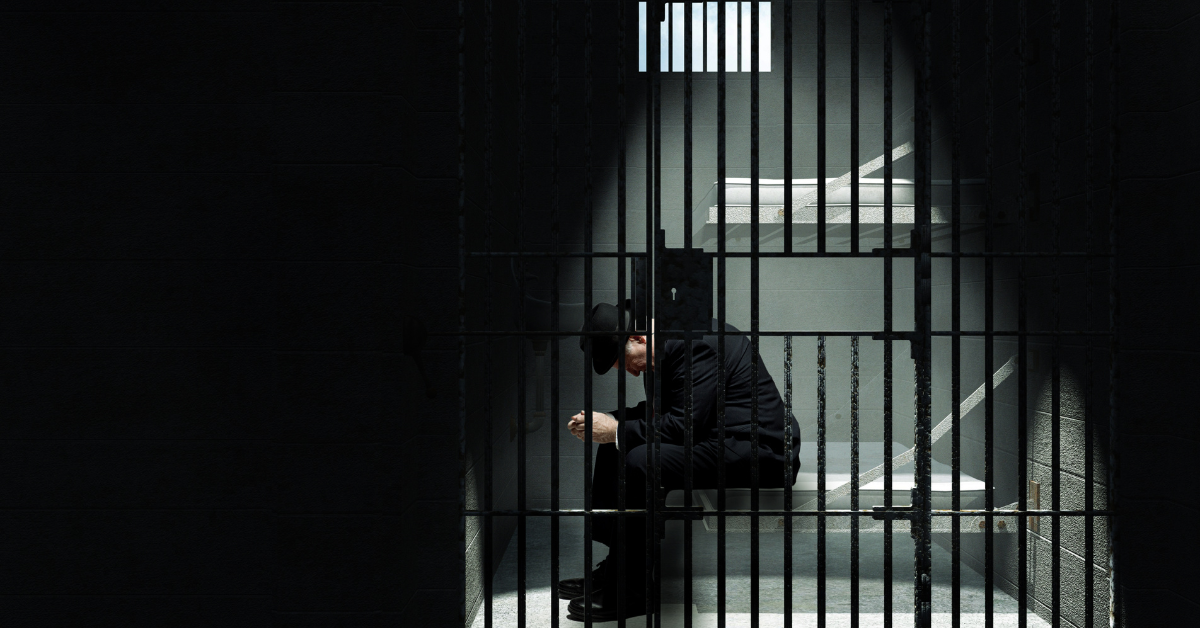
Prison strips life down to what’s essential. It removes the noise, the shortcuts, the illusions. What’s left is routine, consequences, and time long stretches of time where there’s nowhere to run from your own thoughts. When the lights flip on before sunrise and the officer’s voice echoes down the tier, you wake up whether you’re ready or not. That’s when reality hits hardest.
That’s when the questions start showing up uninvited.
Why did it take losing my freedom to finally slow me down?
Why didn’t things work out when I wanted them to?
Why does it feel like pieces of my life are missing, unfinished, or permanently out of reach?
At first, I asked those questions like accusations. Like God owed me an explanation. Like if I replayed my life enough times in my head, I’d find the exact moment everything went wrong and somehow undo it. But prison has a way of teaching lessons you can’t argue with. And one of the biggest lessons I’ve learned is this:
Life doesn’t come together all at once and it never comes together in the order we demand.
That understanding didn’t come from a sermon, a self-help book, or a motivational quote. It came from routine. From repetition. From being forced to wait.
The Order Nobody Talks About
In here, nothing moves just because you want it to. You can want chow, but count comes first. You can want rec, but doors don’t open until they open. You can want answers, but silence doesn’t rush to explain itself.
At first, that lack of control made me angry. I was used to pushing my way through life. I thought force meant strength. If something wasn’t happening fast enough, I leaned harder. I raised my voice. I justified bad decisions as confidence and impatience as ambition.
Behind these walls, that mindset collapses quickly.
One morning, I was irritated because my name didn’t get called for a work detail I’d been hoping for. It felt small, but it stirred something deeper feeling overlooked, delayed, stuck. An older lifer I clean tiers with noticed my mood. He’s been down decades. Doesn’t talk much. When he does, it’s usually worth listening.
He looked at me and said, “You ever try building something before the foundation sets?”
That was it. No lecture. No follow-up. Just a question.
It stuck with me longer than he probably realized.
Some Things Collapse Because They’re Rushed
Out in the free world, I chased results without respect for process. I wanted success without discipline. Stability without structure. Healing without accountability. I skipped steps and called it efficiency.
What I didn’t understand was that I was building on weak ground. Everything looked solid at first, but nothing could hold weight. When things fell apart, I blamed bad luck, other people, the system anything except my own choices.
Prison doesn’t let you hide behind excuses for long. Accountability finds you here, whether you want it or not.
I had to admit something uncomfortable: I wasn’t delayed I was underdeveloped.
That truth hurt, but it also freed me. Because if the problem was development, then the solution was growth not anger, not blame, not force.
Faith Looks Different When You Can’t Move
When freedom is taken away, faith gets tested in a raw, unfiltered way. You can’t distract yourself with movement. You can’t bury discomfort in work, entertainment, or people. You sit with unanswered prayers in a concrete box.
I used to think unanswered prayers meant God was ignoring me. Now I understand they often mean “not yet.”
There were things I begged for relationships, opportunities, breakthroughs that would’ve destroyed me if I got them early. I didn’t have the maturity to protect them. I didn’t have the discipline to maintain them. I didn’t have the humility to carry them cleanly.
So they didn’t come.
Not as punishment but as protection.
That realization didn’t happen overnight. It came slowly, through frustration, disappointment, and long conversations with God that sounded less like demands and more like honesty.
Prison Is a Classroom If You Let It Be
I won’t romanticize incarceration. It’s harsh. It’s degrading at times. It reminds you daily of who the world thinks you are. But it’s also revealing. It exposes every weakness you tried to hide when life was moving fast.
Here, discipline isn’t optional.
Wake up.
Make your bed.
Stand count.
Work.
Read.
Mind your reactions.
Stay out of unnecessary conflict.
That repetition rewired my thinking. I stopped obsessing over what I was missing and started focusing on what I could build internally. Patience stopped being a concept and started becoming a skill.
Some days felt pointless. Others felt heavy. But slowly, something shifted. I stopped needing immediate answers. I started trusting long-term change.
Learn More About: Prison Rehabilitation
Waiting Isn’t Passive
A lot of men think waiting means doing nothing. That’s not true.
Waiting is active when you’re preparing.
I started reading instead of reacting. Writing instead of complaining. Praying without demanding timelines. I learned how to sit with discomfort instead of running from it.
I also started taking responsibility not just for my actions, but for my patterns. The way I handled pressure. The way I avoided silence. The way I chased validation instead of stability.
That kind of self-examination is uncomfortable, but it’s necessary if you want real change.
When Things Fall Apart, It’s Not Always Failure
Looking back, the moments I thought ruined my life were actually exposing what couldn’t last.
Relationships I tried to control instead of honor.
Opportunities I wasn’t disciplined enough to manage.
Choices I justified instead of owning.
Those collapses weren’t accidents. They were corrections.
Prison forced me to face that without distractions. Without applause. Without anyone to blame but myself.
To My Children
If my children ever read this, I want them to understand something clearly:
My absence isn’t because life was unfair. It’s because I made decisions without wisdom. I own that.
But I also want them to know that growth doesn’t stop when life breaks you. Sometimes it starts there.
I’m learning patience for you. Discipline for you. Integrity for you. So when I come home, I’m not just present I’m prepared.
I want you to see a father who didn’t let failure define him, but also didn’t pretend it didn’t happen.
To Other Men Rebuilding
If you’re incarcerated, newly sober, or starting over from nothing, hear this:
You’re not behind.
You’re not defective.
You’re not forgotten.
Some things take time because they need depth.
Stop comparing your progress to someone else’s timeline. Stop rushing growth that needs roots. Stop forcing outcomes when character hasn’t caught up yet.
Focus on order.
Focus on discipline.
Focus on who you’re becoming when nobody is watching.
The Bigger Picture
God sees the whole design. We only see today.
That used to frustrate me. Now it gives me peace.
I don’t need everything to make sense right now. I just need to keep doing the next right thing consistently, quietly, and with humility.
Wake up.
Stay accountable.
Build slowly.
Trust the process.
Final Truth
Life doesn’t come together all at once. It comes together in layers through patience, obedience, failure, correction, and grace.
Some seasons feel empty because they’re meant for preparation, not reward.
And when things finally align, it won’t be because you forced them it’ll be because you were ready to hold them.
That’s the lesson prison gave me.
And it’s one I’m carrying forward, one disciplined day at a time.
Read More: Respond, Don’t React: 7 Proven Lessons on Hitting Pause Behind Bars
